Sidewalks, Walkways & Flatwork
Creating safe, attractive paths that connect your spaces.
(813) 692-4832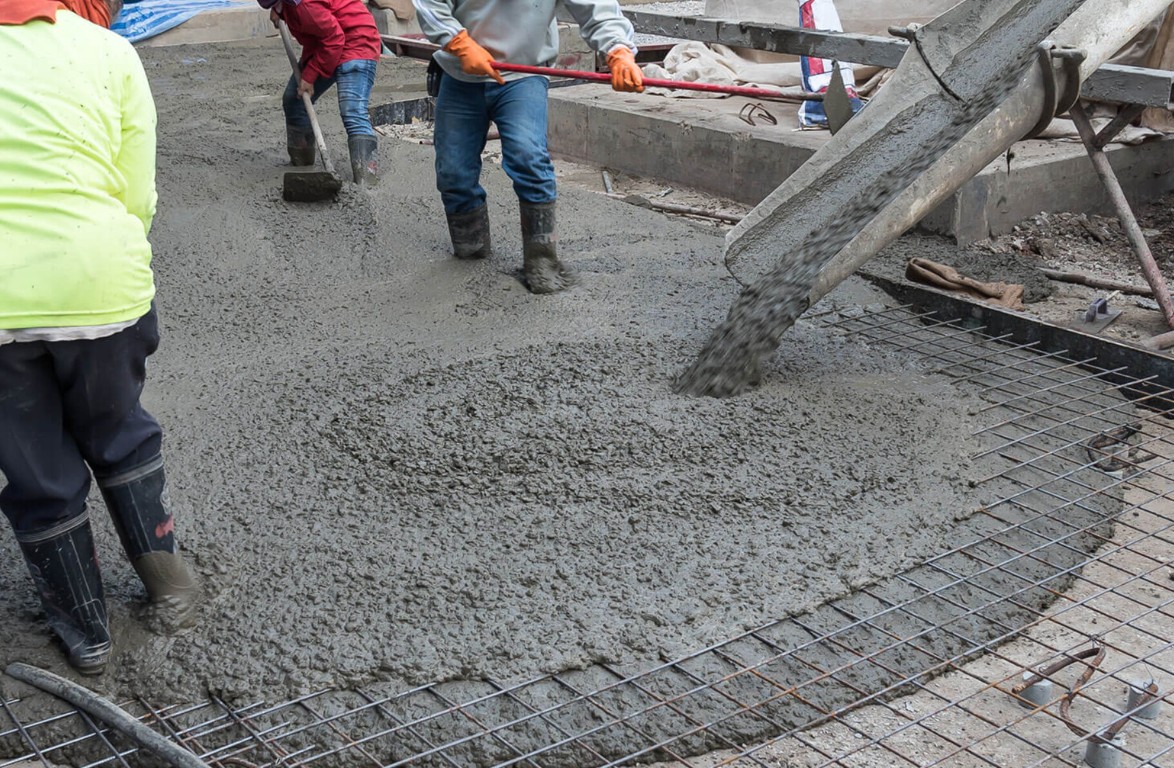
Why Good Walkways Matter
Walkways might not seem like the most exciting part of your property, but they matter more than you think. A well-built walkway is safe, it drains properly, and it lasts for decades. A poorly built one becomes a trip hazard that cracks and settles after a few winters.
We build sidewalks and walkways all over Highlands Ranch. From simple paths between your driveway and front door to elaborate curved walkways through landscaping. The principles are the same regardless of size. Proper base, correct thickness, good drainage, and clean finishing work.
Flatwork is the general term for any horizontal concrete surface. That includes sidewalks, walkways, steps, landings, shed pads, equipment pads, and anything else that's basically flat and made of concrete. It's all related work, and we handle all of it.
Types of Flatwork We Install
Here's what we typically build:
- Front walkways from driveway or street to your entry
- Backyard paths connecting patios, gardens, and outdoor spaces
- Sidewalks along driveways or property lines
- Concrete steps and landings at entries and exits
- ADA-compliant ramps for accessibility
- Equipment pads for HVAC units, hot tubs, and generators
- Shed pads and small foundation slabs
- Dog runs and kennel flooring
- Aprons and transitions between different surfaces
Each type of flatwork has specific requirements. Sidewalks need to be 4 feet wide minimum in most areas for code compliance. Ramps need specific slope ratios. Equipment pads need to be perfectly level. We know the requirements and we build to code.
Design and Layout Considerations
Before we pour any concrete, we think through the layout. Where does the walkway need to go? What's the most logical path? How do we avoid tree roots? Where does water drain? These questions matter.
Path and Width
A walkway should follow the natural traffic pattern. People will walk where it makes sense, so your walkway should go there too. Fight human nature and you'll end up with people cutting across your grass instead of using the walkway.
Width matters for both function and aesthetics. A 3-foot-wide walkway works but feels narrow. Four feet is comfortable for one person, allows two people to pass, and looks proportional to most homes. Five or six feet creates a more generous, welcoming entrance.
Curves and Angles
Straight walkways are efficient and economical. Curved walkways add visual interest and can work better with landscaping or terrain. We can do either. Curves require more labor to form and finish, so they cost a bit more, but they often look better in the final result.
Drainage and Slope
Every walkway needs proper drainage. We slope the concrete slightly so water runs off instead of pooling. Usually that means a gentle slope to one side or a crown in the middle so water runs off both edges. It's subtle enough you won't notice when walking, but it makes a huge difference in how the concrete performs over time.
We also think about where the water goes after it runs off the walkway. If it's running toward your foundation or creating muddy spots, that's a problem we need to solve. Sometimes that means adjusting grades, adding drains, or connecting to existing drainage systems.
How We Build Walkways That Last
The installation process for sidewalks and walkways is straightforward when you know what you're doing. We've done this hundreds of times and we've got it down to a system.
Excavation and Base Work
We excavate to the right depth, removing sod and soil to make room for gravel base and concrete. The depth depends on local frost lines and soil conditions. Usually we go down 6-8 inches total.
The gravel base gets compacted solid. This is critical. An uncompacted base will settle and your walkway will sink. We use a plate compactor to make sure everything is tight and stable. This step takes time but it prevents problems later.
Forms and Grade
We set forms to create the edges of the walkway and establish the proper grade. Forms need to be perfectly aligned and at the right elevation. This determines the final shape and drainage of your walkway.
For straight walkways, we use rigid forms. For curves, we use flexible form material that bends to create smooth arcs. The forms stay in place until the concrete hardens, then we remove them.
Concrete Pour and Finishing
We pour concrete to the right thickness, typically 4 inches for standard walkways. Heavier use areas or poor soil might need thicker concrete. We work the concrete into place, making sure there are no air pockets.
Finishing includes screeding to level, floating to smooth, and brushing to create a slip-resistant texture. For decorative walkways, we can add stamped patterns or colored concrete. Control joints get cut or tooled in to control where any cracks happen.
Curing is the final step. We make sure the concrete stays moist and protected while it hardens. Proper curing is what gives concrete its strength and durability.
Making Walkways Look Better
A basic gray concrete walkway is functional, but there are plenty of ways to make it more attractive if you want something with more character.
Stamping can make concrete look like stone, brick, or tile. Coloring adds warmth and helps the walkway blend with your home and landscaping. Exposed aggregate creates texture and visual interest. Borders and accent bands break up large areas and add design detail.
Even simple details like rounded edges, saw-cut patterns, or decorative joints can elevate a basic walkway. We'll show you options and help you decide what makes sense for your property and budget.
Repairing or Replacing Old Walkways
Old, cracked, or sunken walkways are safety hazards and eyesores. Sometimes we can lift and level sunken sections using mudjacking. Other times, replacement is the better option.
If we're replacing part of a walkway, we saw-cut clean lines, remove the bad section, and pour new concrete. If the entire walkway is shot, we'll demo it all and start fresh. Either way, we figure out why it failed and make sure the new concrete doesn't have the same problems.
Replacing a walkway is also a good opportunity to improve the layout, add width, or upgrade to decorative concrete. If you're going to tear it out anyway, you might as well build something better.
Need a new walkway or want to replace an old one?
We'll walk your property, talk through options, and give you a detailed quote.
Call (813) 692-4832